The scorching Bangkok sun beats down, shimmering off the Chao Phraya River as the longtail boat slices through the water. Your eyes land on Wat Arun, the Temple of Dawn, its central spire reaching majestically into the cerulean sky, a vision of intricate white and gold. It’s breathtaking, a postcard come to life. Then you get closer, and the real story unfolds. Look at the flowers on the walls. They are not stone—they are thousands of pieces of broken porcelain plates from 19th-century shipwrecks used as ballast on trade ships. This isn't some ancient, forgotten secret; it's right there, in plain sight, a testament to Thai ingenuity and resourcefulness that somehow gets lost in the glossy travel brochures.
The sheer scale of this "recycled trash" is staggering, transforming what could have been discarded ballast into a shimmering, intricate mosaic. Each shard, once a functional part of dinnerware or pottery, was meticulously placed to form stunning floral and geometric patterns that cover the temple's prangs. It’s a powerful contrast: what appears as pristine, almost ethereal beauty from a distance is, up close, a patchwork of humble fragments, elevating the mundane to the magnificent. This pragmatic approach to construction, born from necessity and a keen eye for aesthetics, is a subtle lesson in sustainability long before the term became trendy, reflecting a core aspect of Thai culture often overlooked by hurried tourists.
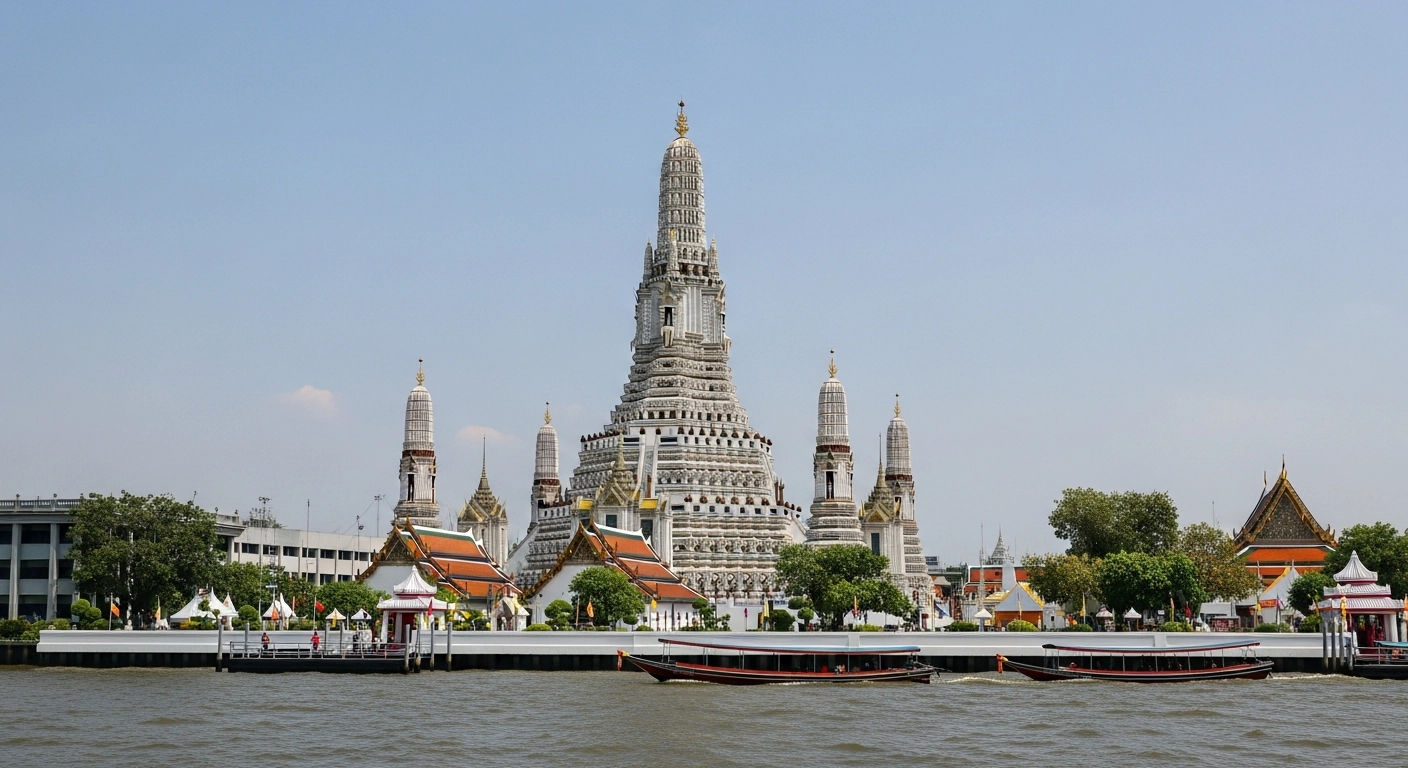
Getting to Wat Arun is surprisingly straightforward and budget-friendly, defying the common misconception that all iconic sights require expensive tour packages. Forget the overpriced longtail boat hustlers waiting at tourist traps; a simple orange-flag Chao Phraya Express Boat from any major pier like Saphan Taksin will cost you a mere 16-30 Baht (less than a dollar) and drop you at Tha Tien Pier. From there, a small cross-river ferry for another 5 Baht (about 15 cents) brings you directly to the temple grounds. This isn’t just about saving money; it’s about experiencing Bangkok like a local, riding the bustling river highway alongside commuters, catching glimpses of daily life that organized tours often bypass.
Expect the heat to be formidable if you're traveling between March and June. This period is the height of Thailand’s hot season, transitioning into the beginning of the monsoon, meaning soaring temperatures and oppressive humidity. Dress appropriately: light, breathable fabrics are non-negotiable, and remember a wide-brimmed hat and plenty of water. Crucially, as an active temple, a strict dress code applies: shoulders and knees must be covered for both men and women. Don't be that tourist fumbling with a flimsy sarong at the entrance; pack modest clothing from home. Factoring in the 18-24 hours of travel time from the U.S. (including layovers) and inevitable jet lag, an early morning visit (right at opening, around 8 AM) is your best bet to beat both the crowds and the fiercest midday sun, allowing you to appreciate the details before the masses descend.
Beyond the iconic central prang, most visitors neglect to explore the surrounding temple complex. Wander through the peaceful gardens, discover the smaller, equally ornate stupas, and observe the intricately carved statues of mythical figures. These areas offer a quieter, more contemplative experience, providing a deeper sense of the temple's spiritual significance without the jostle for the perfect selfie spot. It’s in these quieter corners that the craftsmanship truly shines, away from the grand spectacle, revealing subtle nuances in the porcelain work and the peaceful atmosphere.
Once you’ve soaked in Wat Arun’s splendor, resist the urge to eat at the overpriced tourist restaurants directly opposite the temple. Instead, for a truly authentic and incredibly cheap culinary experience, take that 5 Baht ferry back to Tha Tien Pier and head straight for Wang Lang Market. This bustling local market, just a short walk from the pier, is a gastronomic paradise where few tourists venture. From steaming bowls of boat noodles for 40 Baht to fresh seafood, crispy fried chicken, and an endless array of sweets, it's a sensory overload and a fantastic opportunity to eat like a Bangkokian. The contrasts are stark: generic tourist fare for 300 Baht versus a feast for 100 Baht, all while soaking in the vibrant pulse of local life.
Another often-overlooked experience is to simply embrace the Chao Phraya Express Boat as a mode of transport for an entire afternoon. Rather than just a means to an end for Wat Arun, use it to hop on and off at various piers, exploring different neighborhoods and their hidden gems. Disembark at Phra Arthit Pier to wander through the bohemian streets of Banglamphu, or head further north to Nonthaburi for an even more local market experience. This isn't just a ferry ride; it's a floating cultural tour, offering stunning river views of both ancient temples and modern skyscrapers, all for pocket change. You’ll gain a richer understanding of Bangkok’s geography and its historical connection to the river, a perspective missed by those who stick to taxis and tuk-tuks.
So, when you stand before Wat Arun, don't just see a beautiful temple. See the broken plates, the ships from distant lands, the resourcefulness, and the quiet testament to Bangkok's pragmatic spirit. It’s a powerful reminder that some of the greatest beauty and most compelling stories come from unexpected origins, often overlooked in the pursuit of the 'perfect' tourist photo. And perhaps, like me, you’ll leave with a deeper appreciation for the profound artistry that can emerge from what others might simply call trash.