You know those travel guides that gloss over the weird bits, the inconvenient truths? This isn't one of them. Imagine pulling up to a sleepy, picturesque German village nestled on the banks of the Rhine, only to find that your GPS is perpetually confused, your phone keeps switching networks, and the currency accepted is definitively not the Euro. Welcome to Büsingen am Hochrhein, a German exclave entirely surrounded by Switzerland, a geographical anomaly that makes for one of the most delightfully baffling travel experiences in Europe. Here, German laws apply, but Swiss Francs flow freely, and if you send a letter, you can use either a German or a Swiss stamp to get it delivered.
The first thing you’ll notice, apart from the charming half-timbered houses and vineyards, is the dual pricing. While Germany might be lauded for its comparatively reasonable prices, Büsingen operates firmly on Swiss time when it comes to your wallet. You'll hand over Swiss Francs for your Bratwurst and beer, even though it’s technically German soil. This can be a rude awakening for the budget-conscious American traveler, expecting to stretch their Euros. My advice? Carry a stash of Francs, or be prepared to use your credit card, as ATMs here dispense Swiss currency. Don't expect to find German bargain prices, but you will often get Swiss-level quality for anything purchased in town. For truly budget-friendly groceries or fuel, a quick hop back across the "border" into Germany proper is your best bet, though be mindful of Swiss customs regulations if you load up.
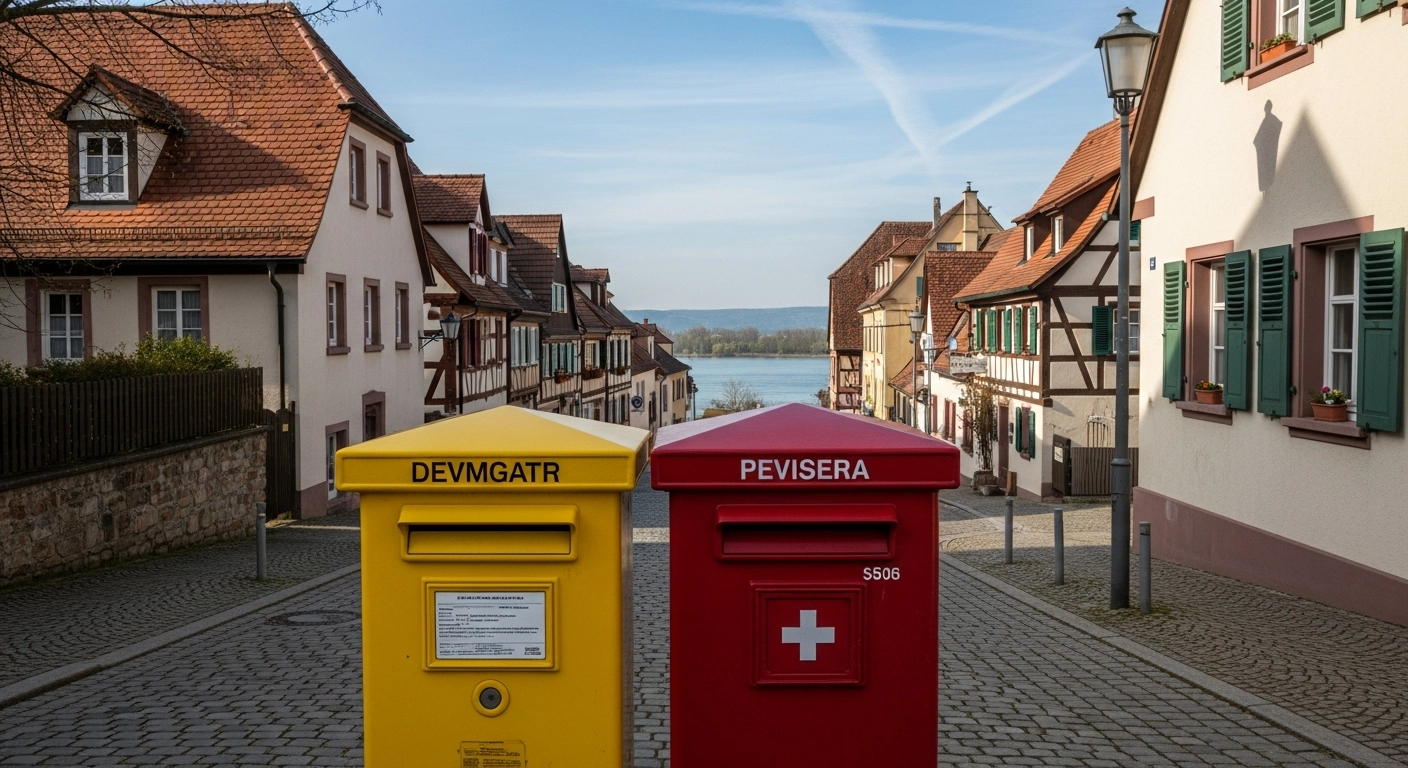
Navigating Büsingen’s unique postal situation is an adventure in itself, a tangible representation of its jurisdictional flip. Sending a postcard from here means choosing between two distinct national postal systems: a German (78266) or a Swiss (8238) zip code, and consequently, either a German or Swiss stamp. This isn't just a quirky detail; it highlights the town's integrated yet separate identity. I personally tried sending one with each stamp to family back home in the States, just to confirm the absurdity. Both arrived, albeit at slightly different speeds. It's a small, overlooked experience that encapsulates Büsingen's charm, a conversation starter tucked into an envelope.
Getting to Büsingen from the United States typically involves flying into Zurich (ZRH), a practical 30-40 minute drive away, or perhaps Stuttgart (STR) or Frankfurt (FRA), which are significantly longer at 2.5-3.5 hours by car or train. Traveling here between March and June offers the ideal blend of pleasant weather and fewer crowds than the peak summer months. Spring brings out the lush greenery along the Rhine and the vineyards, with temperatures mild enough for comfortable exploration, typically ranging from 45-70°F (7-21°C). Accommodation prices during this shoulder season are generally more forgiving than peak summer, but remember that anything within Büsingen itself will reflect Swiss cost structures. If you’re renting a car from Switzerland, ensure it has the necessary vignette (toll sticker) for Swiss highways; otherwise, stick to local roads. Renting from the German side might save you the vignette cost, but the driving routes become a bit more circuitous.
Beyond the currency and postal oddities, Büsingen offers a few little-known experiences that make it worth the detour. One easily overlooked gem is a tranquil stroll along the Rhine. The river here is serene, far removed from the bustling crowds of larger European cities. You can walk or cycle along the banks, taking in views of the Swiss side, and truly appreciate the peaceful rhythm of life. It’s a perfect, budget-friendly activity that costs nothing but your time and offers stunning natural beauty.
Another fascinating spot is the “German Corner” (Deutsches Eck), Büsingen’s actual direct land border with Switzerland. Unlike many modern borders, it's understated, often just a subtle signpost or change in road markings. Standing at this point, you are literally at Germany’s only direct land connection to Switzerland, a quiet historical marker that often goes unnoticed by the casual tourist. It’s a subtle nod to the unique history and political geography that shaped this peculiar place.
For those keen on local flavors, seek out one of the small, family-run Gasthäuser. Here, you can experience traditional German fare – think hearty Schnitzel or locally sourced trout – but paid for in Swiss Francs. It’s a culinary juxtaposition that really brings home the town’s dual identity. These establishments are often quiet, offering authentic local interaction away from any tourist traps. Pair your meal with a regional German wine or a Swiss beer for the ultimate cross-border experience.
Myths about Büsingen often include the idea that it's a tax-free haven or some kind of duty-free zone. This is absolutely not the case. While some specific Swiss customs regulations are relaxed for Büsingen residents due to their unique situation, travelers are still subject to standard customs checks if moving significant goods between Switzerland and Germany. Don't assume you can load up on Swiss chocolates or German beer and waltz across without a care. Also, be mindful of mobile roaming; your phone might automatically connect to Swiss networks, potentially incurring higher costs if your plan isn't international-friendly.
Ultimately, Büsingen is not about grand monuments or pulsating nightlife. It's about the quiet fascination of a town living a dual life, a place where geography playfully pokes holes in national boundaries. For the American traveler looking for something genuinely different, a story to tell that most haven't heard, and a place where every interaction subtly reminds you of its peculiar status, Büsingen offers a tranquil, thought-provoking, and yes, slightly absurd, journey into Europe's hidden corners.