It is a statistical glitch. With only a few hundred residents but millions of tourists, a single pickpocketing incident makes the crime rate skyrocket higher than the most dangerous cities on earth. This bizarre numerical anomaly, often flung around by alarmists or sensationalist headlines, paints a distorted picture of Vatican City that belies its true nature as a relatively safe, albeit crowded, pilgrimage for history and art enthusiasts. My own journey through this city-state wasn't about dodging bullets, but rather skillfully navigating the human tides and avoiding the common pitfalls that can sink an otherwise magnificent trip.
Traveling from the U.S. to Rome, the gateway to Vatican City, is a commitment of time and money, typically involving an 8-10 hour flight, not including layovers. Arriving in March or April offers a sweet spot: the Roman spring weather is generally mild and agreeable, dodging the sweltering heat and oppressive humidity that descend from July onwards. Crucially, these shoulder months often present a slight reprieve from the peak summer crush, translating into marginally shorter queues and, if you're lucky, slightly less inflated accommodation prices in Rome itself. By May and June, the crowds swell significantly, making pre-booking everything not just advisable, but practically mandatory, unless your travel philosophy involves an affinity for endless waiting.
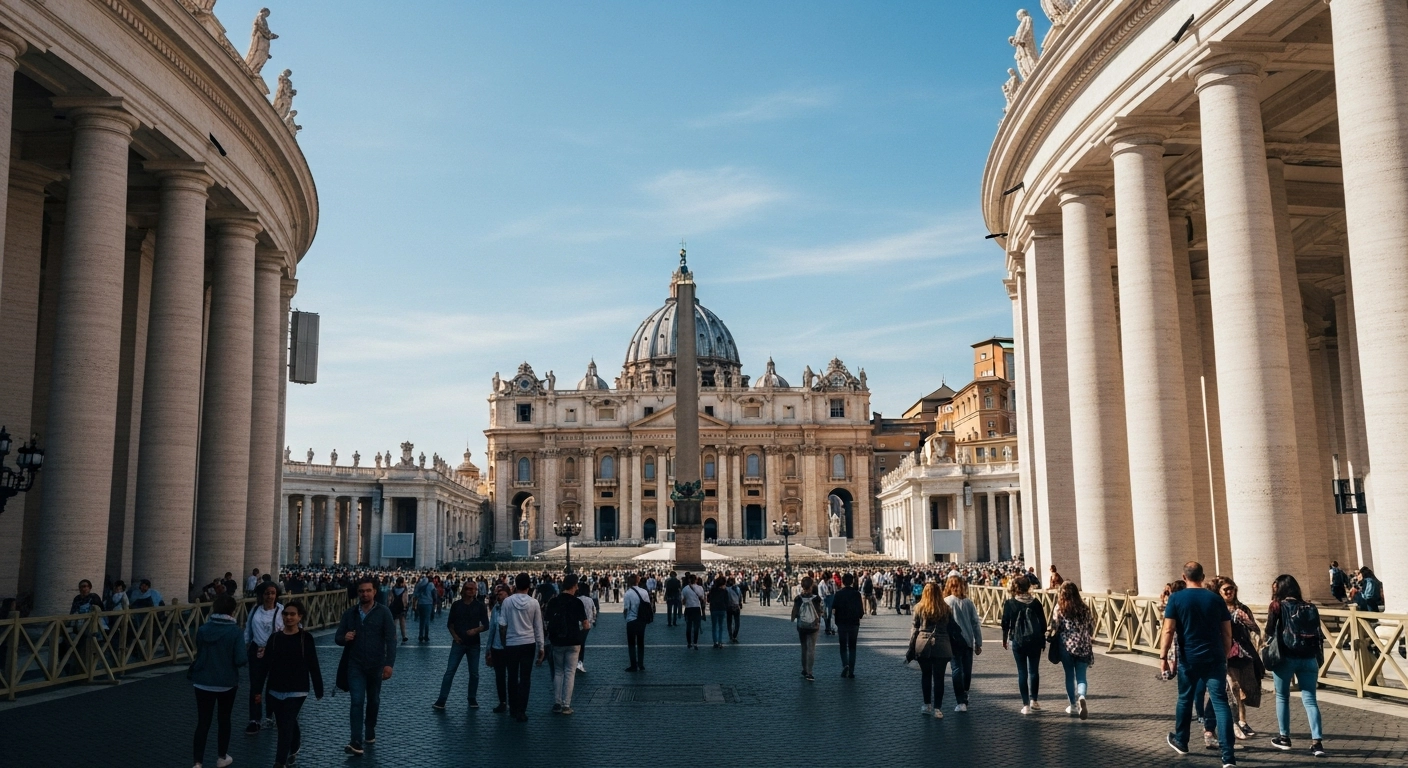
The true "crime" you'll likely encounter here isn't violent, but rather the systematic separation of tourists from their cash via exorbitant prices and petty theft. For example, a simple espresso that costs €1.20 a few blocks away might suddenly demand €5 right outside St. Peter's Square. To sidestep this common trap, pack a few protein bars and a refillable water bottle; you’ll thank me when the midday sun has you parched and a bottle of water costs more than a decent glass of wine in a less central locale. Likewise, keep your wits about you in the bustling squares and museum halls. Pickpockets operate with the efficiency of a well-oiled machine, viewing distracted tourists as ripe fruit. An RFID-blocking wallet carried in a secure, cross-body bag isn't just a suggestion; it’s your first line of defense.
Forget about just showing up; the single most impactful money-saving and sanity-preserving maneuver is to purchase your Vatican Museums and Sistine Chapel tickets online directly from the official Vatican website, weeks, if not months, in advance. This bypasses the notoriously long lines that can snake for hours, saving you not only precious travel time but also the temptation of paying inflated prices to unofficial "skip-the-line" touts who often offer questionable value. The contrast between those who planned ahead and those stuck in the queue, wilting under the sun, is as stark as day and night.
For an experience truly off the beaten path, consider booking the Vatican Gardens tour. Often overlooked by visitors rushing to the Sistine Chapel, these meticulously maintained gardens offer a serene escape, a lush oasis of fountains, sculptures, and rare plants. The tours are limited, often by bus, and provide a unique perspective on the city-state's geography and the lives of its residents. It's a stark contrast to the human river flowing through the museums, a moment of quiet contemplation in the heart of the world’s smallest country.
Another overlooked gem, requiring strategic timing, is an early morning visit to St. Peter's Basilica, ideally right at opening. The vastness of the basilica, usually a cacophony of camera clicks and murmuring voices, transforms into a space of quiet grandeur before the main crowds descend. Combining this with a climb to the top of St. Peter's Dome (also best done early) offers unparalleled panoramic views of Rome, a breathtaking vista that makes the early alarm clock worthwhile. You literally watch the city awaken, a powerful, solitary moment few tourists experience.
Stepping just outside the Vatican's official borders reveals more unique perspectives. Instead of focusing solely inwards, look to Castel Sant'Angelo, the cylindrical fortress once connected to the Vatican by a fortified passage. Its historical depth is fascinating, but more importantly for the savvy traveler, its ramparts offer stunning, unencumbered views of Vatican City, including St. Peter's Basilica, from a fresh angle. It’s a literal change in perspective that many miss.
Finally, for the ultimate free panoramic vista of Rome, including a sweeping view of the Vatican, make the short trek up to Gianicolo Hill. Especially mesmerizing at sunset, this spot provides a dramatic backdrop to an evening in Rome, a perfect way to appreciate the scale of both the Eternal City and its tiny neighbor. It’s a reward for the legs, a feast for the eyes, and a reminder that some of the best travel experiences cost nothing but effort. Vatican City isn't a dangerous enigma; it's a meticulously managed attraction, requiring only shrewd planning and a dash of street smarts to unlock its full, un-mythologized glory.