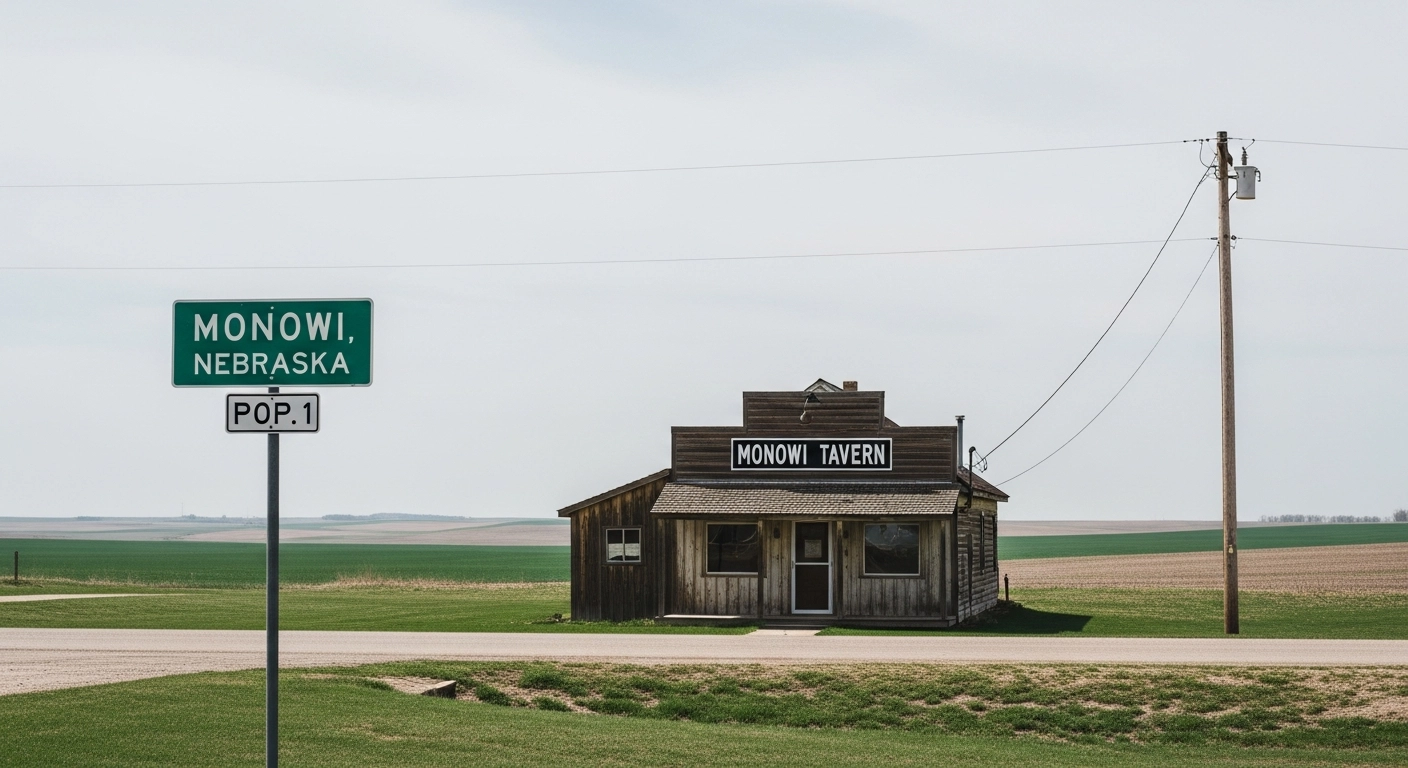
Imagine your quiet life in rural Kansas, only to find yourself the unwitting digital epicenter for every lost internet connection. For years, a specific farmhouse in Iola, Kansas, bore the brunt of a bizarre technological blunder, becoming the default IP address for millions of devices with unassigned locations. Private investigators knocking, angry strangers demanding answers about their "stolen" phones – it sounds like a bad movie plot, but for the owners, it was a very real, very annoying daily reality. This isn't just about a farmhouse; it's about what happens when the digital world, for all its supposed precision, points an unblinking finger at a small, unassuming dot on the actual map, and what that dot truly holds.
It wasn't a malicious hack, but a simple, elegant failure of logic. When an IP address couldn't be geographically pinpointed, a company assigned it to the physical center of the contiguous United States. That center, by a quirk of fate and coordinates, landed squarely on a residential property in Iola. For a decade, this digital ghost town became a beacon for digital distress signals, transforming a quiet prairie home into a high-tech Bermuda Triangle. The irony? Iola itself is far from a tech hub. It’s a town of barely 5,000, where the loudest sound is often the rustle of cornfields, a stark contrast to the global digital chaos it unintentionally hosted.
Forget direct flights into Iola; this isn't that kind of destination. Your journey to uncover this digital anomaly will be an old-fashioned American road trip. Iola sits roughly two hours south of Kansas City, an hour-and-a-half southeast of Topeka, or a couple of hours north of Tulsa. Think 100-150 miles of open highway, where gas mileage becomes a tangible budget line item. Renting a compact car for a weekend from Kansas City will set you back around $70-100, plus an estimated $20-30 in gas for the round trip. Money-saving tip: pack a cooler with snacks and drinks. Roadside convenience stores are notorious for inflating prices on captive audiences.
Aim for March through June for your visit. This window offers mild temperatures, usually hovering between 50-75°F, making it comfortable for exploring. You'll catch the landscape as it greens up, before the oppressive humidity and scorching 90-degree heat of July and August arrive. Crowd levels? Virtually non-existent. You're not competing with tour buses here, which means local motel rates (expect $60-90/night) remain stable and affordable. This isn't a peak season destination; it's an off-the-beaten-path discovery, which is exactly why we're here.
Don't come looking for the infamous farmhouse itself – its residents deserve their privacy after years of digital visitors. Instead, dive into the actual town. The Allen County Historical Society and Museum, tucked away on South Jefferson, is a treasure trove. For a few dollars (sometimes even free admission, depending on the day), you’ll find artifacts tracing Iola's boomtown days as a natural gas hub in the early 20th century. It’s a genuine slice of Americana, far more compelling than any digital mapping error, showing you the real history that IP addresses unwittingly obscured.
Iola may seem flat, but its natural beauty lies in its quiet expanses. The Southwind Rail Trail, a paved 65-mile path stretching from Iola to Fredonia, is perfect for an afternoon stroll or bike ride. Borrow a local bike from a small shop (ask around, they’re often happy to help for a nominal fee or even free if you’re charming enough) and experience the tranquility. It's a testament to the slow pace of life here, a stark contrast to the frenetic digital world that briefly, incorrectly, called this spot home. This simple, free activity connects you directly to the land.
You won't find Michelin stars, but you'll find genuine flavor. The Dairy Queen on North State Street serves up classic American fare, while smaller, independently owned diners (like the one downtown near the square; names change but the vibe doesn't) offer hearty breakfasts for under $10. Engage with the locals. Ask about the town, its history, maybe even casually mention the IP address story. You'll find a resilient, friendly community, often bemused by their sudden, unwanted digital fame. This is where the real cultural value lies – not in curated experiences, but in authentic interaction, a priceless commodity in today's homogenized world.
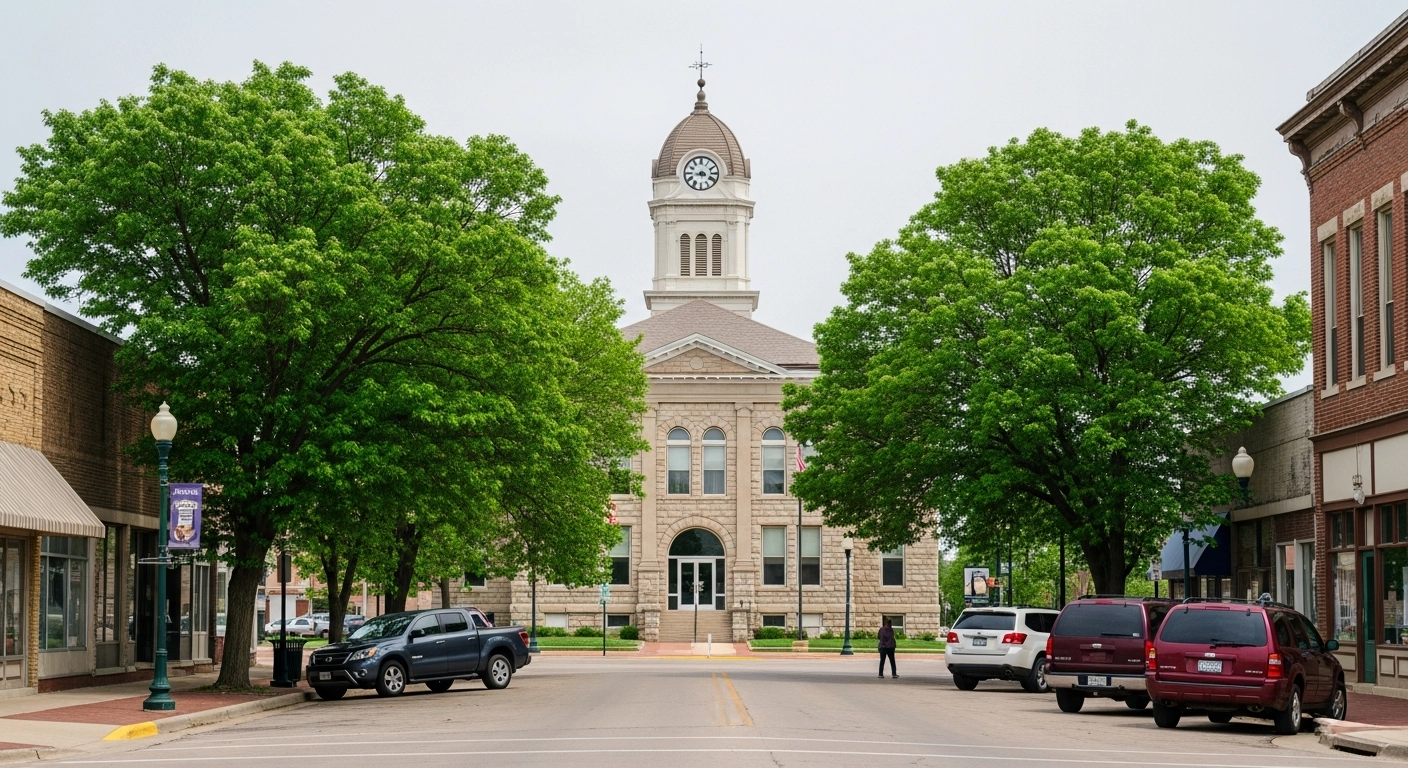
Take a walk around the town square. Iola boasts some surprisingly well-preserved early 20th-century architecture, vestiges of its natural gas boom. The old courthouse, the charming storefronts – they tell a story of prosperity and community that predates the internet by a century. It’s a visual reminder that while a digital glitch put Iola on an invisible map, its true character is etched in brick and mortar, not binary code. This self-guided architectural tour costs nothing but your time and curiosity, offering a tangible link to a rich past.
Don't expect bustling nightlife or an array of high-end restaurants. Iola is quiet, especially after dark. Cell service can be spotty in truly rural areas, which, ironically, might be a welcome break from the always-on digital world. Remember, the infamous farmhouse is a private residence. Respect the owners' privacy and avoid driving past or lingering. This trip is about understanding the story and the place, not intruding on private lives.
Visiting Iola, Kansas, is more than just a quirky pilgrimage to a digital anomaly. It’s a journey into the heart of America, a testament to how the real and virtual worlds can intersect in the most unexpected, often inconvenient, ways. It debunks the myth that every "important" place is a major city. Here, amidst the quiet prairie, you'll find not just the ghost of a digital error, but a vibrant community with its own stories, its own history, and its own genuine charm – a place far more real and grounded than any default IP address could ever convey. It makes you wonder: what other profound secrets are hiding in plain sight, just waiting for a curious traveler to discover them?